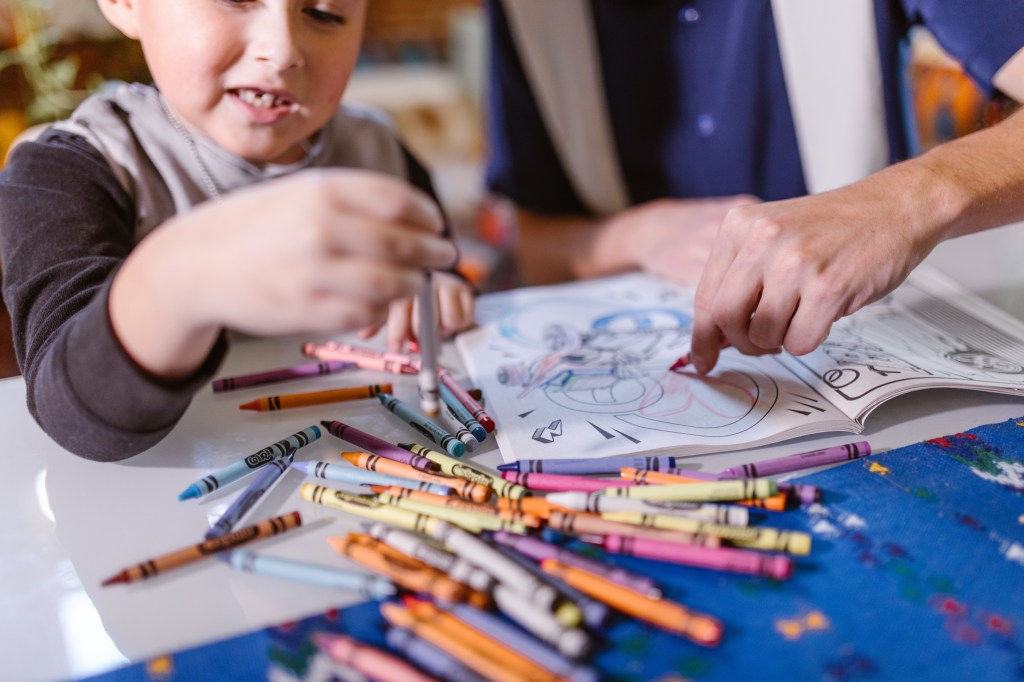
Preparing children’s learning skillset in early childhood is extremely important for their overall development and future success. Early childhood is a critical period of rapid brain development, and providing children with the right foundation during this time sets the stage for their academic, social, and emotional growth. Here are some key areas where preparation plays a significant role:
- School Readiness: Early preparation helps children transition smoothly into formal education. It involves developing pre-literacy and pre-numeracy skills, such as language development, early math concepts, and basic problem-solving abilities. Children who are prepared for school are more likely to start off on a positive note, engage in learning activities, and achieve better academic outcomes.
- Independence: Building independence is crucial for children’s learning and development. By encouraging them to take on age-appropriate tasks independently, such as dressing themselves, organizing their belongings, or completing simple chores, you foster their self-confidence and problem-solving skills. Independent children are more likely to actively participate in learning activities and become self-directed learners.
- Motor Skills: Developing fine and gross motor skills is essential for children’s physical and cognitive development. Fine motor skills involve the coordination of small muscles in the hands and fingers, enabling tasks like writing, drawing, and manipulating objects. Gross motor skills involve larger muscle groups and support activities like running, jumping, and balance. Both types of motor skills are crucial for children’s ability to explore and interact with their environment, participate in physical activities, and develop hand-eye coordination, which is vital for academic tasks like writing and drawing.
- Social and Emotional Skills: Early childhood is a critical period for the development of social and emotional skills. Children learn to regulate their emotions, understand and empathize with others, and establish positive relationships. These skills are not only important for social interactions but also form the foundation for effective communication, conflict resolution, and collaboration, which are vital for success in school and beyond.
- Cognitive Skills: Early childhood is a prime time for cognitive development. Children’s brains are highly receptive to learning and are capable of acquiring a wide range of cognitive skills. Developing cognitive skills such as attention, memory, problem-solving, creativity, and critical thinking lays the groundwork for future academic success. By providing stimulating and age-appropriate activities, you can foster curiosity, exploration, and a love for learning.
Overall, preparing children’s learning skillset in early childhood sets the stage for their future success. It enhances school readiness, promotes independence, develops motor skills, nurtures social and emotional competence, and lays the foundation for cognitive growth. By investing in their early development, we equip children with the tools they need to thrive academically, socially, and emotionally.
 Easel Education