
The transition from early childhood education to formal schooling is a significant milestone in a child’s life. It is essential for parents and early childhood teachers to collaborate and work together to ensure that children are well-prepared for this transition. By combining their efforts and expertise, parents and teachers can create a supportive and nurturing environment that fosters school readiness. This article explores effective strategies and resources that parents and early childhood teachers can utilize to prepare children for school success.
- Establishing a Positive Partnership:
Building a strong partnership between parents and early childhood teachers is crucial for the child’s development and school readiness. Regular communication, such as parent-teacher conferences or informal check-ins, allows for information sharing and collaboration. Websites like Parent Teacher Online provide a platform for scheduling and facilitating parent-teacher meetings. - Promoting Language and Literacy Skills:
Developing strong language and literacy skills is essential for school readiness. Parents and early childhood teachers can engage in activities that promote language development, such as reading books, storytelling, and having conversations. Websites like Reading Rockets offer resources, tips, and strategies to support children’s literacy development. - Encouraging Social and Emotional Development:
Preparing children for school extends beyond academic skills. Supporting their social and emotional development is equally important. Parents and teachers can collaborate in promoting positive social interactions, teaching empathy, and fostering emotional regulation. The Collaborative for Academic, Social, and Emotional Learning (CASEL) website provides evidence-based resources and strategies for social-emotional learning. - Developing Independence and Self-Help Skills:
Encouraging independence and self-help skills empowers children to take care of their own needs. Parents and early childhood teachers can collaborate in teaching skills like dressing independently, managing belongings, and self-care routines. The Zero to Three website offers articles and tips on supporting children’s independence and self-help skills. - Cultivating Cognitive and Problem-Solving Skills:
Parents and early childhood teachers can work together to foster cognitive and problem-solving skills. Engaging in open-ended play, puzzles, and age-appropriate games encourages critical thinking and problem-solving abilities. Websites like PBS Kids provide educational games and activities that enhance cognitive skills. - Familiarizing with School Routines and Expectations:
Preparing children for school involves familiarizing them with school routines and expectations. Parents and early childhood teachers can collaborate by discussing and practicing school-related activities like following schedules, using school supplies, and participating in group activities. The Australian government’s Starting Blocks website offers guidance on transitioning to school and provides information about school routines and expectations.
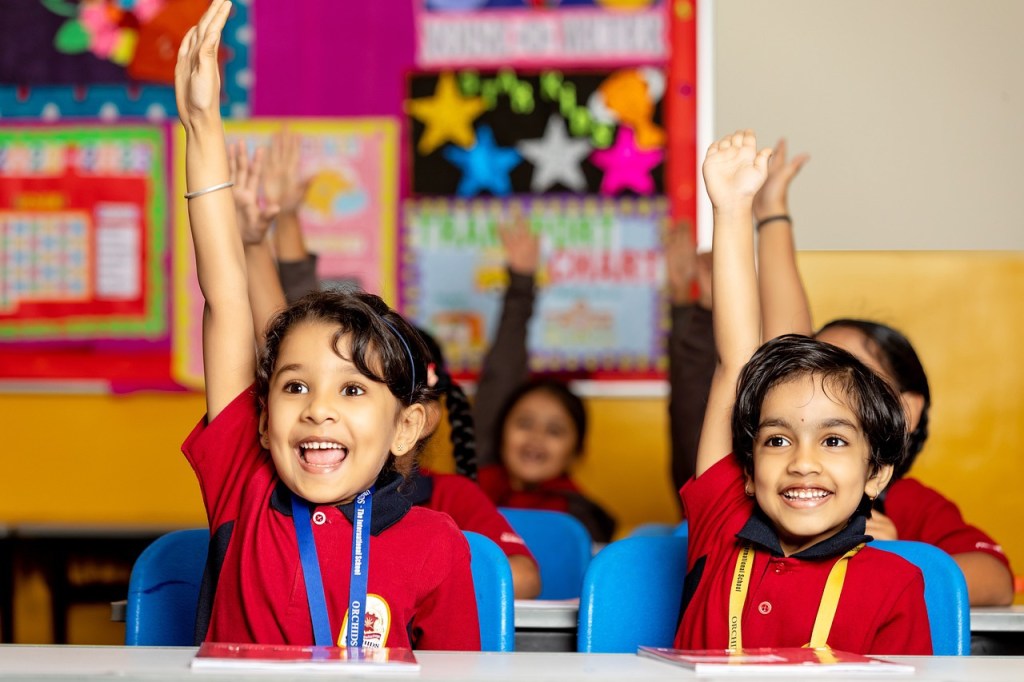
Preparing children for school readiness is a joint effort between parents and early childhood teachers. By collaborating and utilizing resources and strategies, parents and teachers can support children’s academic, social, and emotional development. Establishing a positive partnership, promoting language and literacy skills, nurturing social-emotional development, fostering independence, and familiarizing children with school routines and expectations are key components in preparing children for a successful transition to formal schooling.
By working together, parents and early childhood teachers can ensure that children are equipped with the necessary skills and confidence to thrive in their educational journey.
 Easel Education