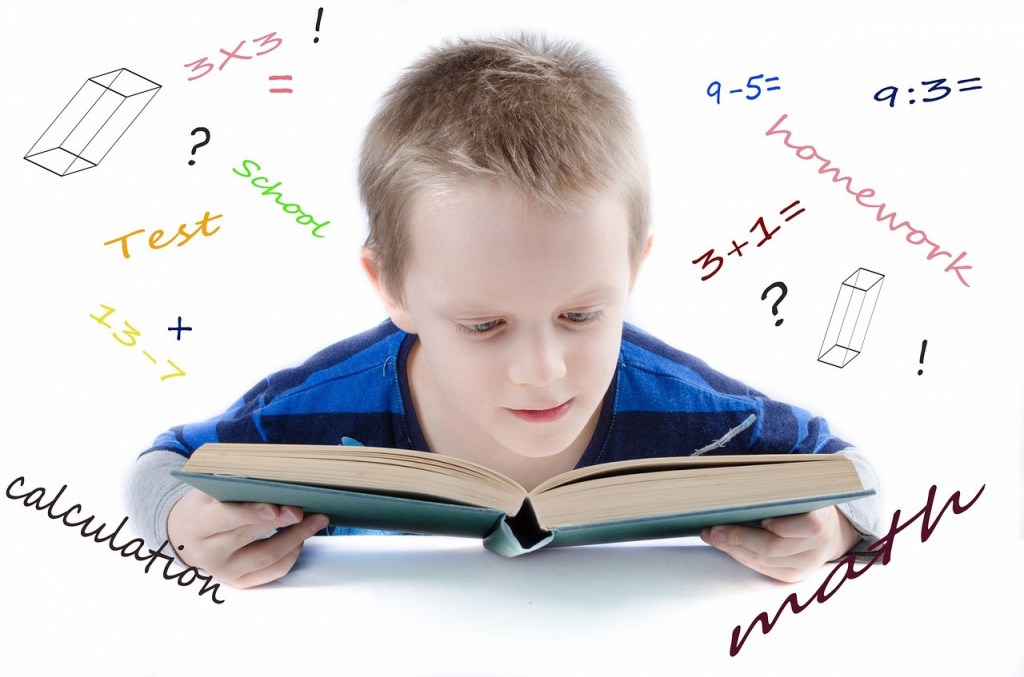
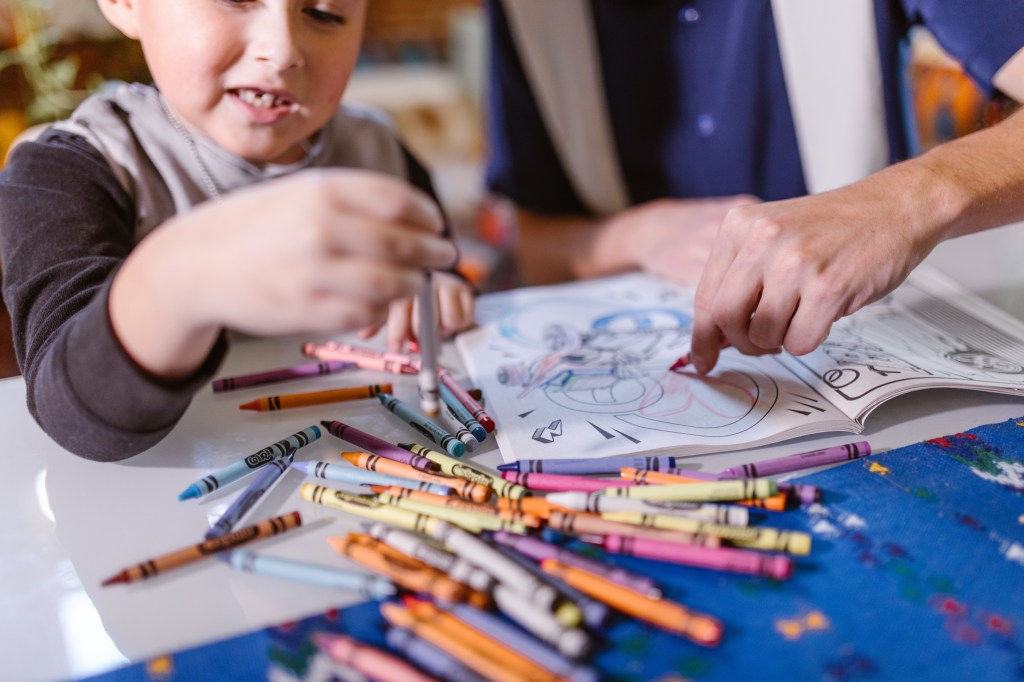
10 Fun Strategies to Love Writing and Spelling

Parents often wonder how they can best support their primary-aged children in developing their writing skills and mastering spelling, and there are several effective strategies they can employ to facilitate their child’s progress. Writing and spelling are super cool skills that help us express our thoughts and ideas. But sometimes, they can seem a little tricky or boring. Don’t worry, though! In this blog post, we’ll explore ten fun strategies just for you—especially kids in primary school—to make writing and spelling exciting and enjoyable.

  1. Make it relatable:
    Did you know that writing and spelling are used in real life too? Imagine writing letters to friends, making awesome lists, or even creating magical stories! When you understand how these skills are useful in everyday activities, it becomes more interesting.
  2. Explore exciting prompts:
    Let your imagination run wild with fun writing prompts! You can write adventurous stories, funny poems, or even draw your own comic strips. These prompts will make your writing experience fun and exciting.
  3. Use tech magic:
    Jump into the world of technology and discover amazing writing and spelling games online. There are apps and websites with cool activities that make learning feel like playing. It’s learning with a sprinkle of fun!
  4. Colors and visuals to the rescue:
    Turn spelling into a colorful adventure! Use flashcards, word charts, or even create your own spelling games. The bright colors and fun visuals will make spelling super enjoyable.
  5. Let’s play with words:
    Get ready for word games that will make you smile! Play games like Scrabble, word searches, or crossword puzzles. They’ll help you practice spelling while having a blast with friends or family.
  6. Celebrate your progress:
    Give yourself a pat on the back for your amazing writing and spelling progress. Celebrate every step and improvement you make. Remember, every effort counts, and you’re doing great!
  7. Team up for writing fun:
    Writing can be even more exciting when you do it with friends and family. Create stories together, play word association games, or have mini spelling contests. Teamwork makes writing an adventure!
  8. Create your writing nook:
    Transform a special corner into your own writing space. Get your colorful pencils, paper, and a comfy spot to write. Your writing nook will inspire you to explore new ideas and write amazing stories.
  9. Discover the power of journaling:
    Grab a notebook and start journaling! Write about your fun experiences, thoughts, or dreams. Journaling helps you express yourself and become a better writer. Your journal is a secret world just for you!
  10. Feedback is awesome:
    When you write, welcome feedback with a smile. Listen to kind suggestions that help you improve your writing. Remember, feedback is like magic—it makes you an even better writer!

Writing and spelling can be super fun when you add a dash of excitement and creativity. With these ten strategies, you’re ready to embark on an amazing writing and spelling adventure. Believe in yourself, have fun, and watch your skills grow. Get ready to be a superstar writer and speller!

We hope you enjoyed these strategies made just for you! Let’s dive into the world of writing and spelling together, where imagination knows no limits.


Getting Children Ready for Primary School: A Collaborative Effort Between Parents and Early Childhood Teachers

The transition from early childhood education to formal schooling is a significant milestone in a child’s life. It is essential for parents and early childhood teachers to collaborate and work together to ensure that children are well-prepared for this transition. By combining their efforts and expertise, parents and teachers can create a supportive and nurturing environment that fosters school readiness. This article explores effective strategies and resources that parents and early childhood teachers can utilize to prepare children for school success.

  1. Establishing a Positive Partnership:
    Building a strong partnership between parents and early childhood teachers is crucial for the child’s development and school readiness. Regular communication, such as parent-teacher conferences or informal check-ins, allows for information sharing and collaboration. Websites like Parent Teacher Online provide a platform for scheduling and facilitating parent-teacher meetings.
  2. Promoting Language and Literacy Skills:
    Developing strong language and literacy skills is essential for school readiness. Parents and early childhood teachers can engage in activities that promote language development, such as reading books, storytelling, and having conversations. Websites like Reading Rockets offer resources, tips, and strategies to support children’s literacy development.
  3. Encouraging Social and Emotional Development:
    Preparing children for school extends beyond academic skills. Supporting their social and emotional development is equally important. Parents and teachers can collaborate in promoting positive social interactions, teaching empathy, and fostering emotional regulation. The Collaborative for Academic, Social, and Emotional Learning (CASEL) website provides evidence-based resources and strategies for social-emotional learning.
  4. Developing Independence and Self-Help Skills:
    Encouraging independence and self-help skills empowers children to take care of their own needs. Parents and early childhood teachers can collaborate in teaching skills like dressing independently, managing belongings, and self-care routines. The Zero to Three website offers articles and tips on supporting children’s independence and self-help skills.
  5. Cultivating Cognitive and Problem-Solving Skills:
    Parents and early childhood teachers can work together to foster cognitive and problem-solving skills. Engaging in open-ended play, puzzles, and age-appropriate games encourages critical thinking and problem-solving abilities. Websites like PBS Kids provide educational games and activities that enhance cognitive skills.
  6. Familiarizing with School Routines and Expectations:
    Preparing children for school involves familiarizing them with school routines and expectations. Parents and early childhood teachers can collaborate by discussing and practicing school-related activities like following schedules, using school supplies, and participating in group activities. The Australian government’s Starting Blocks website offers guidance on transitioning to school and provides information about school routines and expectations.

Preparing children for school readiness is a joint effort between parents and early childhood teachers. By collaborating and utilizing resources and strategies, parents and teachers can support children’s academic, social, and emotional development. Establishing a positive partnership, promoting language and literacy skills, nurturing social-emotional development, fostering independence, and familiarizing children with school routines and expectations are key components in preparing children for a successful transition to formal schooling.

By working together, parents and early childhood teachers can ensure that children are equipped with the necessary skills and confidence to thrive in their educational journey.

Count, Explore, Thrive: Enhancing Early Numeracy Skills Through Everyday Activities

Numeracy skills are essential for a child’s development, providing a strong foundation for future mathematical learning. As parents or carers, we have a unique opportunity to support and foster these skills through engaging and interactive daily activities. In this post, we will explore creative ways to enhance early learners’ numeracy skills, making math enjoyable and accessible through everyday routines and experiences.

  1. Counting Adventures:
    Incorporate counting into everyday activities to make numbers come alive. Count toys during playtime, steps while climbing stairs, or items at the grocery store. These simple interactions help children develop one-to-one correspondence and a basic understanding of quantity.
  2. Shape Seekers:
    Encourage early learners to identify shapes in their surroundings. Look for circles, squares, triangles, and rectangles in objects at home, in the park, or while on a walk. Discussing shapes helps children recognize and describe the properties of different geometric forms, promoting spatial awareness.
  3. Measuring Marvels:
    Engage children in measuring tasks to foster a sense of measurement and comparison. Encourage them to use non-standard units, such as blocks or their hands, to measure the length of objects. Let them explore concepts like “longer” or “shorter,” “taller” or “smaller,” and introduce the vocabulary associated with measurement.
  4. Math in the Kitchen:
    Cooking and baking provide fantastic opportunities for numeracy development. Involve children in measuring ingredients, counting utensils, and dividing portions. Discuss fractions while cutting a pizza or exploring halves and quarters while serving snacks. Cooking together makes math tangible and helps children understand the practical applications of numerical concepts.
  5. Money Matters:
    Introduce the concept of money by creating a pretend store or setting up a play cashier. Let children use play money or even real coins to practice counting, making change, and understanding the value of different coins. This activity enhances numeracy skills while also fostering financial literacy.
  6. Puzzles and Patterns:
    Puzzles and pattern recognition activities stimulate logical thinking and problem-solving skills. Choose age-appropriate puzzles and encourage children to complete them independently. Explore patterns through simple activities like arranging objects in sequences or creating patterns with colored blocks. These activities develop critical thinking and logical reasoning abilities.
  7. Math in Nature:
    Take advantage of outdoor exploration to develop numeracy skills. Count petals on flowers, rocks in a stream, or birds in the sky. Compare sizes of leaves or discuss symmetry in nature. The natural world is a treasure trove of opportunities to practice mathematical concepts while enjoying the beauty of the environment.

By engaging in everyday activities with early learners, parents and carers can play a pivotal role in developing their numeracy skills. Counting, exploring shapes, measuring, incorporating math into cooking, introducing money concepts, solving puzzles, and observing patterns in nature are all delightful ways to make math meaningful and enjoyable. Remember, nurturing numeracy skills at an early age sets the stage for a lifetime of mathematical confidence and success. So, let’s embark on this numeracy adventure together and watch our little ones thrive!

Note: This blog post aims to provide general ideas and suggestions for engaging parents and carers in supporting early learners’ numeracy skills. It’s essential to adapt the activities to the child’s age, abilities, and interests, ensuring a positive and developmentally appropriate learning experience.

The Importance of Mathematics in Early Childhood: Nurturing Essential Skills

Mathematics is often regarded as a daunting subject, causing anxiety and fear for many individuals. However, it is crucial to recognize the significance of mathematics in our everyday lives and understand that early childhood is a critical period for fostering math learning. By introducing math concepts and nurturing mathematical thinking from a young age, we can help children develop essential skills that will benefit them throughout their lives. In this article, we will explore the importance of math education in early childhood and discuss effective strategies to foster math learning.

  • Building a Strong Foundation:
    Mathematics serves as the foundation for various academic disciplines and real-world applications. Early exposure to mathematical concepts helps children develop important skills such as problem-solving, critical thinking, logical reasoning, and analytical abilities. These skills form the basis for later learning in mathematics and other subjects, enabling children to excel academically.
  • Developing Cognitive Abilities:
    Engaging in mathematical activities stimulates the development of cognitive skills in young children. Research suggests that math learning enhances memory, attention span, and spatial reasoning abilities. When children engage in mathematical thinking, they are required to analyze, compare, and make connections, leading to the development of strong cognitive skills that extend beyond mathematics itself.
  • Promoting Analytical Thinking:
    Mathematics encourages children to think analytically and make connections between different concepts. Early exposure to math helps children develop a problem-solving mindset, enabling them to break down complex problems into manageable steps. This ability to analyze and strategize is invaluable in various areas of life, from organizing daily tasks to solving complex real-world challenges.
  • Enhancing Numeracy Skills:
    Numeracy skills are viral for everyday life, from managing finances to measuring ingredients for a recipe. Early childhood is an ideal time to introduce children to numeracy concepts such as counting, number recognition, and basic arithmetic. These foundational skills lay the groundwork for more advanced mathematical concepts in later years.
  • Encouraging Mathematical Curiosity:
    Nurturing a sense of curiosity and wonder about mathematics is essential for fostering a positive attitude towards the subject. Incorporating math into play, using manipulatives, and engaging children in real-world problem-solving experiences can make math more engaging and enjoyable. Encouraging questions and providing opportunities for exploration will help children develop a lifelong love for learning and mathematics.
  • Integrating Math Across the Curriculum:
    Mathematics should not be seen as a separate entity but rather integrated into various aspects of early childhood education. For instance, incorporating math into language activities by counting syllables, exploring patterns, or using shapes to enhance storytelling can make math concepts more accessible and relatable for young children. Integrating math across different subject areas helps children see the relevance and practicality of mathematics in their daily lives.

Mathematics is an essential skill that contributes to a child’s overall development and success. Early childhood presents a crucial window of opportunity to foster math learning and nurture the necessary skills for future academic and real-world challenges. By recognizing the importance of mathematics and implementing effective strategies, parents and educators can create a supportive environment that promotes mathematical thinking and curiosity, ensuring that children develop a solid foundation in mathematics and reap the benefits throughout their lives.

References:

  1. Gelman, R., & Gallistel, C. R. (2004). The Child’s Understanding of Number. Harvard University Press.
  2. Clements, D. H., & Sarama, J. (2007). Early Childhood Mathematics Learning. National Council of Teachers of Mathematics.
  3. National Association for the Education of Young Children (NAEYC). (2010). Position Statement: Early Childhood Mathematics: Promoting Good Beginnings. Retrieved from https://www.naeyc.org/sites/default/files/globally-shared/downloads/PDF

Enhancing Early Years Education with Interactive Toys

Early childhood is a crucial period for learning and development. During these formative years, children are naturally curious and eager to explore the world around them. To foster their cognitive, social, and motor skills, educational toys play a vital role. These toys engage children in interactive learning experiences, making education a fun and engaging journey. In this blog post, we will explore some exciting educational toys for early years, along with hyperlinks to some educational resources that complement these toys.

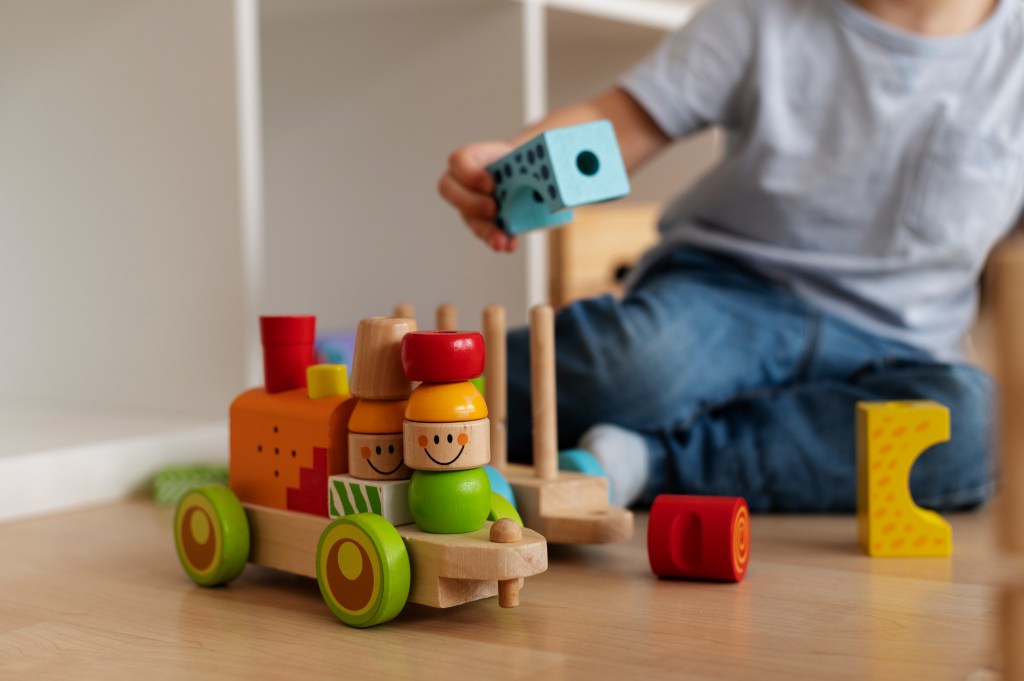
<a href=”http://Image by Freepik“>Picture credit
  1. Alphabet and Number Puzzles:
    Alphabet and number puzzles are excellent tools for teaching young children the basics of language and numeracy. They help children recognize letters, numbers, and shapes while enhancing their problem-solving abilities. The Australian-based website “Early Childhood Australia” offers a wide range of educational resources, including printable puzzles, worksheets, and activity ideas. You can explore their collection here: Early Childhood Australia – Puzzles
  2. Building Blocks and Construction Sets:
    Building blocks and construction sets are timeless educational toys that promote creativity, fine motor skills, and spatial awareness. They encourage children to experiment, problem-solve, and build structures using their imagination. The Australian website “Playgroup Australia” provides comprehensive resources for parents and educators, featuring ideas and activities using building blocks. Dive into their collection here: Playgroup Australia – Building Blocks
  3. Science Experiment Kits:
    Science experiment kits allow young learners to explore the wonders of the natural world through hands-on experiments. These kits usually contain materials, instructions, and explanations for conducting safe and exciting experiments. The Australian-based “Primary Connections” website offers a range of science resources for early years, providing teachers and parents with easy-to-follow lesson plans and experiment ideas. Unleash the scientist within your child with their resources here: Primary Connections – Science Resources
  4. Musical Instruments:
    Music is a powerful tool for early childhood development, enhancing language skills, creativity, and emotional expression. Musical instruments designed for young children, such as xylophones, drums, and shakers, provide an interactive way to introduce them to the world of music. “Australian Music Education Board” offers resources for music educators and parents, including activity ideas and lesson plans for incorporating musical instruments into early years education. Discover their resources here: Australian Music Education Board – Early Childhood Resources
  5. Sensory Play Materials:
    Sensory play materials, such as playdough, sand, water, and sensory bins, stimulate children’s senses and enhance their fine motor skills. These materials provide opportunities for open-ended exploration and imaginative play. The “Early Years Learning Framework” website by the Australian Government provides a wealth of resources, including playdough recipes, sensory activity suggestions, and play-based learning ideas. Explore their sensory play resources here: Early Years Learning Framework – Sensory Play

Educational toys are invaluable tools for early childhood education, as they engage children in active learning experiences and promote various developmental skills. The Australian educational resources mentioned above offer a wealth of ideas, activities, and lesson plans to complement these toys. By combining interactive toys with these resources, parents and educators can create a stimulating learning environment that fosters curiosity, creativity, and a love for lifelong learning in young children.

Here are some reputable online shops where you can find a wide range of educational toys for early years:

  • Educational Experience: Educational Experience offers a comprehensive selection of educational toys, resources, and materials for early childhood education. Their website provides filters to easily browse toys by age, category, and learning area. Visit their online store here: Educational Experience
  • Modern Teaching Aids: Modern Teaching Aids is a popular online store catering to educators, parents, and early childhood professionals. They offer a diverse range of educational toys, including those specifically designed for early years. Explore their collection here: Modern Teaching Aids
  • Teach Me How: Teach Me How is an Australian online retailer specializing in educational toys and resources for children of all ages. They have a dedicated section for early childhood toys and offer a variety of learning resources for parents and educators. Check out their offerings here: Teach Me How
  • Educational Toys Online: As the name suggests, Educational Toys Online is an online store focused on providing educational toys for children. They have a dedicated section for early years, featuring toys that promote learning, creativity, and skill development. Visit their website here: Educational Toys Online
  • Wooden Wonderland: Wooden Wonderland specializes in high-quality wooden toys, including educational options suitable for early years. They offer a range of educational toys that encourage imaginative play, fine motor skills, and problem-solving. Explore their collection here: Wooden Wonderland

Remember to check each store’s shipping policies, customer reviews, and product descriptions to ensure the availability and suitability of the educational toys you are looking for. Happy shopping!

Building the Foundation: The Importance of Preparing Children’s Learning Skillset in Early Childhood

Photo

Preparing children’s learning skillset in early childhood is extremely important for their overall development and future success. Early childhood is a critical period of rapid brain development, and providing children with the right foundation during this time sets the stage for their academic, social, and emotional growth. Here are some key areas where preparation plays a significant role:

  1. School Readiness: Early preparation helps children transition smoothly into formal education. It involves developing pre-literacy and pre-numeracy skills, such as language development, early math concepts, and basic problem-solving abilities. Children who are prepared for school are more likely to start off on a positive note, engage in learning activities, and achieve better academic outcomes.
  2. Independence: Building independence is crucial for children’s learning and development. By encouraging them to take on age-appropriate tasks independently, such as dressing themselves, organizing their belongings, or completing simple chores, you foster their self-confidence and problem-solving skills. Independent children are more likely to actively participate in learning activities and become self-directed learners.
  3. Motor Skills: Developing fine and gross motor skills is essential for children’s physical and cognitive development. Fine motor skills involve the coordination of small muscles in the hands and fingers, enabling tasks like writing, drawing, and manipulating objects. Gross motor skills involve larger muscle groups and support activities like running, jumping, and balance. Both types of motor skills are crucial for children’s ability to explore and interact with their environment, participate in physical activities, and develop hand-eye coordination, which is vital for academic tasks like writing and drawing.
  4. Social and Emotional Skills: Early childhood is a critical period for the development of social and emotional skills. Children learn to regulate their emotions, understand and empathize with others, and establish positive relationships. These skills are not only important for social interactions but also form the foundation for effective communication, conflict resolution, and collaboration, which are vital for success in school and beyond.
  5. Cognitive Skills: Early childhood is a prime time for cognitive development. Children’s brains are highly receptive to learning and are capable of acquiring a wide range of cognitive skills. Developing cognitive skills such as attention, memory, problem-solving, creativity, and critical thinking lays the groundwork for future academic success. By providing stimulating and age-appropriate activities, you can foster curiosity, exploration, and a love for learning.

Overall, preparing children’s learning skillset in early childhood sets the stage for their future success. It enhances school readiness, promotes independence, develops motor skills, nurtures social and emotional competence, and lays the foundation for cognitive growth. By investing in their early development, we equip children with the tools they need to thrive academically, socially, and emotionally.

Unleashing Curiosity and Creativity: The Exciting World of STEM Education

Photo by MART PRODUCTION

In a world filled with awe-inspiring technological marvels and boundless possibilities, STEM education emerges as a gateway to unlocking the true potential of young minds. STEM, an acronym for Science, Technology, Engineering, and Mathematics, offers a dynamic and exhilarating approach to education that fosters curiosity, creativity, and a deep understanding of the world we live in. In this blog post, we will delve into the exciting world of STEM education and explore why it is capturing the imaginations of students, educators, and parents alike.

  1. Hands-On Exploration:

One of the most captivating aspects of STEM education is its emphasis on hands-on learning experiences. Gone are the days of passive textbook reading—students actively engage with their environment through experiments, building prototypes, and solving real-world problems. From designing and launching rockets to constructing robotic devices, STEM education ignites a sense of wonder and adventure, turning classrooms into vibrant laboratories of discovery.

  1. Cultivating Critical Thinking and Problem-Solving Skills:

STEM education nurtures critical thinking and problem-solving skills, empowering students to become analytical thinkers and effective problem solvers. Through challenging activities and projects, students learn to approach problems with a systematic mindset, breaking them down into manageable components and applying logical reasoning to find innovative solutions. This prepares them to face the complex challenges of the modern world with confidence and ingenuity.

Photo by Kindel Media
  1. Fostering Creativity and Innovation:

STEM education thrives on creativity and innovation. By integrating artistic elements with scientific principles and technological advancements, students are encouraged to think creatively and explore unconventional ideas. Whether it’s designing a sustainable city, crafting a computer program, or inventing a new gadget, STEM education celebrates imagination and provides a platform for young innovators to bring their ideas to life.

  1. Collaboration and Communication:

STEM education places a strong emphasis on collaboration and communication skills. Students often work in teams, exchanging ideas, sharing responsibilities, and learning from one another’s diverse perspectives. Collaborative projects enable them to build essential teamwork skills and develop effective communication strategies, preparing them for success in the interconnected world of academia, industry, and beyond.

  1. Empowering Future-Ready Citizens:

In an era defined by rapid technological advancements and global challenges, STEM education equips students with the tools they need to thrive. By cultivating a solid foundation in STEM subjects, students are empowered to pursue diverse career paths, contribute to scientific breakthroughs, and address pressing global issues. STEM education nurtures the next generation of engineers, scientists, entrepreneurs, and leaders who can drive innovation, sustainability, and positive change.

  1. Inclusive and Accessible Learning:

STEM education aims to break down barriers and ensure equal opportunities for all students. It encourages diversity and inclusivity, promoting the participation of individuals from different backgrounds, genders, and abilities. By creating an inclusive learning environment, STEM education not only inspires a wider range of perspectives but also fosters a sense of belonging and empowerment among students.

Photo by Chokniti Khongchum

STEM education is a thrilling journey that sparks curiosity, ignites passion, and opens doors to endless possibilities. Through its hands-on approach, emphasis on critical thinking, and celebration of creativity, STEM education provides students with the skills they need to thrive in the ever-evolving world. It is a catalyst for innovation, collaboration, and problem-solving, nurturing the leaders and change-makers of tomorrow. As we embrace STEM education, we embark on an exciting adventure where the boundaries of imagination are pushed, and the limits of human potential are expanded.

Rethinking ‘disability’

By Baby Vineetha

Inclusive education is an approach to ensure all students receive education regardless of their abilities, culture, language, gender, religion and race. Success of this education system depends on how educators and authorities observe this model of the education system and how they implement the system to access all students’ diversities (Graham, 2020). The following sections will describe the social model of disability, medical model and will compare the social model with the medical model.

The social model of disability states that the barriers created by society make people disabled; for example, some people assume that people with disability cannot do specific duties or jobs (“Social model of disability | Australian federation of disability organizations”, 2020). Most of the buildings, bus stops and railway stations are designed without considering the comfort of the people with disabilitiy. This indicates that disability is socially constructed, and these barriers may restrict people with disabilities to achieve their desired goal (Graham, 2020). Therefore, society needs to remove the barriers for the people with disabilities and should ensure the inclusion of the people with disabilities to the community.

What are the major barriers?                   

  When discussing the social model of disability, it is necessary to differentiate between impairments and disabilities. “The impairments are a long-term characteristic of an individual that affects their body, mind or senses. For example, someone whose dementia makes it difficult for them to remember things”(Hughes, 2010, p.509). The difficulties arise due to the barriers generated by society, such as building design and attitudes of people (Hughes, 2010). Moreover, in the education system, the barriers may occur due to the attitudes of educators and the school authorities about the abilities of the students with disability (Graham, 2020). The major barriers for the students with disability are the classroom design, timetable, and teaching methods. The social model accepts that the problems are not with the people with disability, but it is in the society itself (Hughes, 2010; Graham, 2020). As per the social model, if a person with disability cannot access a building means it is not the problem of that individual, but the building. Therefore, the building needs to be designed for accessibility of all people with or without disability. Moreover, if a student with autism who is very sensitive to light and colors, it is necessary to adjust the classroom ambiance according to the needs of the student. Therefore, social model has been influenced by the philosophy of inclusive education

Medical Model

The medical model indicates that disability has occurred due to the individual impairments and is usually characterized as medical conditions (Graham, 2020). The medical model describes, ranks, and classifies the disabilities and impairments, which is necessary for the medical treatments (Hughes, 2010). It asserts that people with disability have to adjust to the circumstances which the society put forwards in order to become a part of the community. For example, according to the medical model, if a person with a wheelchair cannot access a building implies that it is due to the problem of that person, but not the buildings. Therefore, the medical model of disability is building a boundary between people with disability and people without disability (Ong-Dean, 2005).

The medical model of disability is under the philosophy of special education approach, and they believe that the students with disability is special so that they need special care (Triano, 2000). For example, a student with autism who is very sensitive to light and colors, the medical model says that it is not the responsibility of teachers and school authority for finding the solution, but the parents are responsible for fixing the problem of their child. In order to do that the medical model refers the parents to find help from professionals such as doctors and specialized teachers (Manago, Davis, & Goar, 2017).

To conclude, once again mentioning the differences between the medical model and social model in the following table.Medical modelSocial modelDisability is a medical problem or impairment of an individualDisability occurred due to barriers created by the societyDisability is negativeDisability is neutral Disability is an individual problem, it is their responsibility to fix the problem, and need to adjust with the society.It is the responsibility of the society to adjust with the people with disability. The society needs to remove the barriers and provide equal access to all individualIt is a special approachIt is an inclusive approach

References

Hughes, R. (2010). The social model of disability. British Journal of Healthcare Assistants4(10), 508–511. https://doi.org/10.12968/bjha.2010.4.10.79078

Graham, L. (2020). Inclusive education for the 21st century: theory, policy and practice. Crows Nest, NSW: Allen & Unwin.

Manago, B., Davis, J., & Goar, C. (2017). Discourse in Action: Parents’ use of medical and social models to resist disability stigma. Social Science & Medicine184, 169–177. https://doi.org/10.1016/j.socscimed.2017.05.015

Ong-Dean, C. (2005). Reconsidering the social location of the medical model: An examination of disability in parenting literature. Journal of Medical Humanities26(2-3), 141–158. https://doi.org/10.1007/s10912-005-2915-1

The ‘Social Model’ of Youth Disability. (2020). Retrieved 20 March 2020, from https://youthdis-abilityaustralia.weebly.com/the-social-model-of-youth-disability.html

Social Model of Disability | Australian Federation of Disability Organizations. (2020). Retrieved 20 March 2020, from https://www.afdo.org.au/social-model-of-disability/

Triano, S. (2000). Categorical eligibility for special education: The enshrinement of the medical model in disability policy. Disability Studies Quarterly, 20(4).